
Custom Trim Installation
Add Detail That Frames Walls and Openings
Lake Effect Painting & Co. designs and installs custom trim and woodworking in homes throughout WNY and surrounding areas
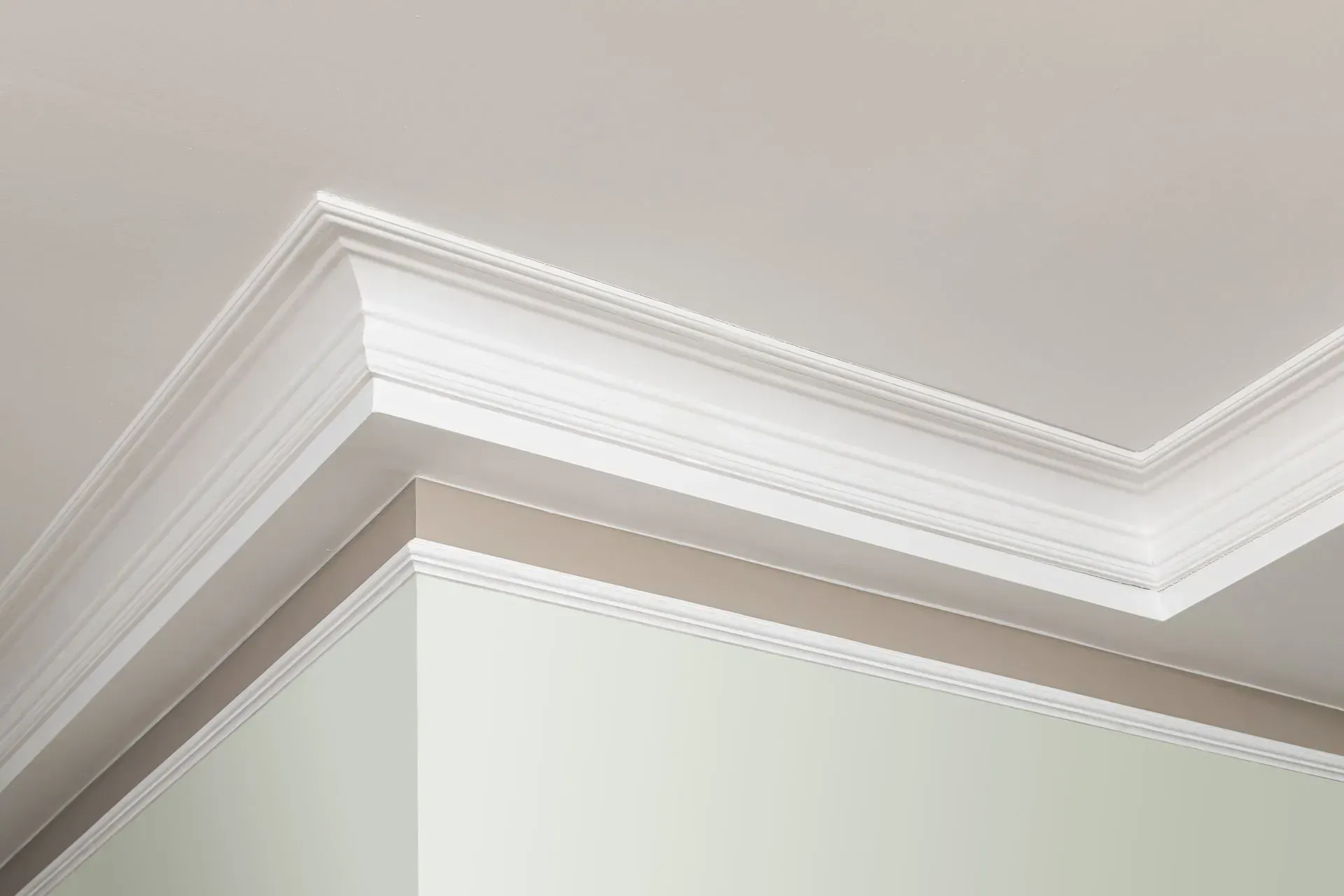
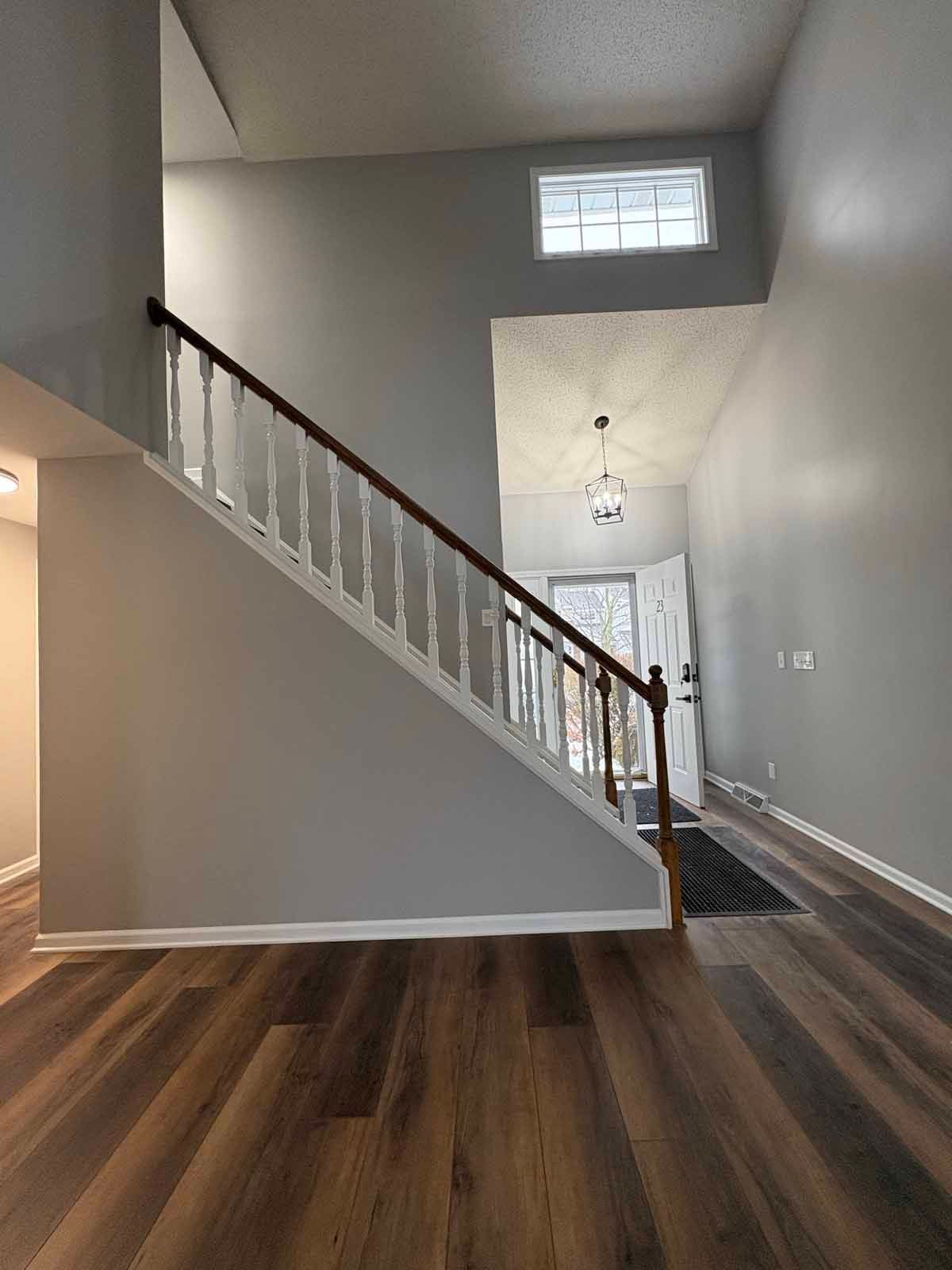
When your home in WNY or surrounding areas, has plain walls, unfinished doorways, or gaps where drywall meets the floor, custom trim adds defined edges and covers transitions with molding that matches your style and the architecture of the space. Whether you want baseboards with a taller profile, door casings with decorative corners, or crown molding that follows the line where walls meet the ceiling, Lake Effect Painting & Co. mills, fits, and installs trim that aligns precisely at every joint. Homeowners in WNY or surrounding areas, often add custom trim after remodeling projects to finish new walls or to replace builder-grade molding that feels too narrow or generic.
Custom trim installation includes measuring each wall and opening, cutting molding to exact lengths with mitered or coped joints, and securing pieces with finish nails or adhesive so they sit flush without gaps. If you want trim with deeper reveals, built-up profiles, or decorative details like fluting or beading, those elements are shaped in the shop before installation begins. Lake Effect Painting & Co. works with hardwood, MDF, and primed pine, and all trim is filled, sanded, and painted or stained to match your existing woodwork or walls.
If you are ready to add custom trim in WNY and surrounding areas, reach out to discuss profiles and finishes that fit your home.
How Trim Gets Cut and Fitted to Your Walls
Your trim project begins with measuring walls, doorways, and windows to determine exact lengths and angles, then cutting each piece on a miter saw to create tight joints at corners and along long runs. In WNY and surrounding areas, older homes often have walls that are slightly out of square, and trim is scribed and adjusted during installation to follow the actual contours rather than assuming perfect 90-degree corners. Each piece is test-fit before it is nailed in place to check alignment and reveal consistency.
Once trim is installed, you will see crisp lines where walls meet floors and ceilings, door frames that extend evenly on all sides, and corners that join without visible gaps or overlaps. Nail holes are filled with putty that matches the wood or paint color, and seams are caulked where trim meets drywall to create a smooth transition. If you are staining the trim, the wood is sanded to 220 grit before finish is applied, and if you are painting, a primer coat is applied first to seal the wood and prevent tannin bleed-through.
Most trim installations take one to three days depending on the number of rooms and the complexity of the profiles, and custom woodworking projects like built-in shelves or wainscoting panels add time for shop work before installation begins. The service does not include structural carpentry like framing new walls, but coordinates with other trades if trim needs to wrap new openings or built-ins.Your trim project begins with measuring walls, doorways, and windows to determine exact lengths and angles, then cutting each piece on a miter saw to create tight joints at corners and along long runs. In WNY and surrounding areas, older homes often have walls that are slightly out of square, and trim is scribed and adjusted during installation to follow the actual contours rather than assuming perfect 90-degree corners. Each piece is test-fit before it is nailed in place to check alignment and reveal consistency.
What homeowners ask before adding custom trim
Homeowners planning custom trim installations often want to know what profiles suit their home, how trim is finished to match existing woodwork, and whether walls need to be repaired before trim goes up.
What trim profile works best for rooms with low ceilings?
Baseboards with a lower profile and minimal crown molding keep the eye from being drawn to the ceiling line, which helps rooms feel more open. If you want crown molding, a smaller cove or bed molding placed an inch or two below the ceiling creates definition without overwhelming the space.
How do you match new trim to existing woodwork in other rooms?
A sample of the existing trim is used to identify the profile and dimensions, and new pieces are milled or sourced to match. If an exact match is not available, new trim is installed throughout the room so all pieces are consistent, and finish is color-matched to blend with adjacent rooms.
What is the difference between mitered and coped joints in trim work?
Mitered joints are cut at matching angles and meet at corners with both pieces beveled, while coped joints involve cutting one piece to follow the profile of the other so they interlock. Coped joints hold tighter over time as wood expands and contracts, and they are commonly used for inside corners on baseboards and crown molding.
When should walls be repaired before trim is installed?
Walls should be patched and sanded smooth before trim goes up, especially near baseboards and door casings where uneven drywall would prevent trim from sitting flush. Lake Effect Painting & Co. can handle minor repairs as part of the trim project, but larger drywall work should be completed beforehand.
How is trim finished after installation?
Nail holes are filled with putty and sanded smooth, and seams between trim and walls are caulked to eliminate gaps. If the trim is being painted, it receives a primer coat followed by one or two finish coats, and if it is being stained, the wood is sanded to a fine grit and sealed with polyurethane or varnish after stain is applied.
Lake Effect Painting & Co. designs and installs custom trim and woodworking throughout WNY and surrounding areas, from baseboard and casing replacements to crown molding and wainscoting panels that add depth and detail. If you want to discuss profiles and finishes or schedule a visit to review your space, contact us to begin planning.